Barnes High Street upholstery cleaning guide for local shops
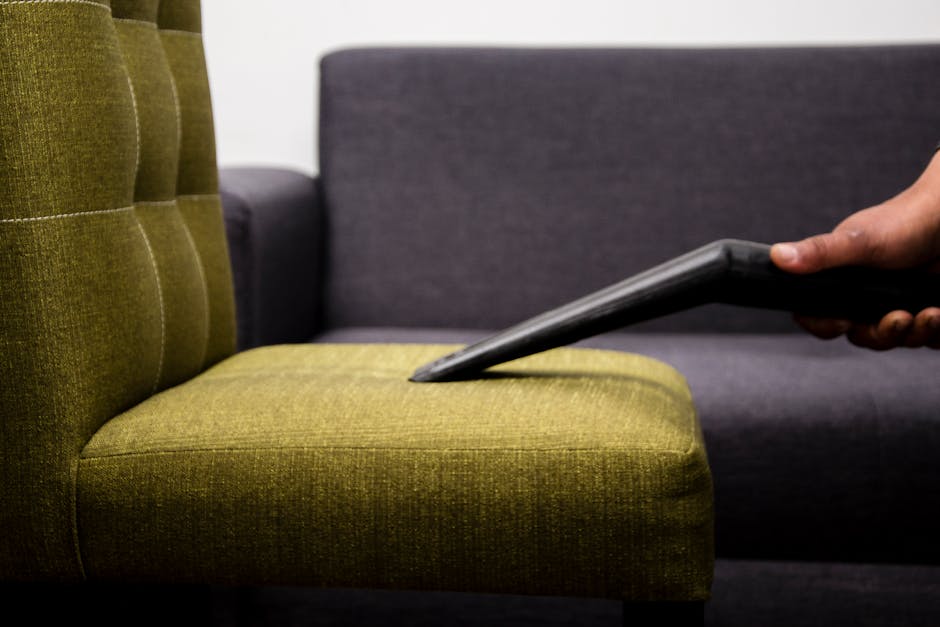
If you run a shop on or near Barnes High Street, upholstery cleaning is one of those jobs that quietly shapes how people feel the moment they step inside. A smart chair, a clean waiting bench, a fresh window seat, even the staff break-room sofa can make a place feel cared for. This Barnes High Street upholstery cleaning guide for local shops breaks down what matters, what to avoid, and how to keep seating, stools, banquettes and soft furnishings looking professional without causing damage or disruption.
Truth be told, upholstery often gets cleaned only after it starts to look tired. By then, grime has usually settled deeper into the fibres, and the job becomes trickier. The good news? With a sensible routine, the right method, and a bit of local know-how, most shop interiors can stay presentable for longer and cost less to maintain.
Why Barnes High Street upholstery cleaning guide for local shops Matters
Shop upholstery takes a beating in ways people do not always notice. Customers sit down with wet coats on a drizzly London day, staff eat lunch on soft seating, delivery drivers perch for a minute with coffee in hand, and dust settles in the background. On Barnes High Street, where presentation often counts as much as product quality, a worn or stained chair can undermine the atmosphere you are trying to create.
Clean upholstery is not just about appearances. It also affects odour control, hygiene, and how long your furniture lasts. Grease from hands, body oils, food crumbs, makeup, pollen, and everyday dirt build up gradually. You may not smell it at first, but by the end of a busy week it can be there, especially in enclosed customer areas. And once fibres become loaded, simple vacuuming only goes so far.
For local shops, there is another angle too: customer trust. A neat interior signals attention to detail. If a boutique, salon, cafe corner, or reception-style retail area looks fresh, people tend to assume the business is organised more generally. Fair or not, that impression sticks.
That is why a proper upholstery cleaning plan matters. It helps you maintain standards, avoid last-minute panic before a busy weekend, and make better decisions about when to clean in-house and when to bring in professional help such as professional upholstery cleaning or a broader deep cleaning service.
How Barnes High Street upholstery cleaning guide for local shops Works
Upholstery cleaning works by removing surface soil, loosening embedded dirt, treating stains, and extracting residue without over-wetting or damaging the fabric. Sounds simple. In practice, the method depends on the material, the item's construction, and how much traffic it gets.
Most commercial upholstery cleaning follows a few familiar stages:
- Inspection: identify fabric type, seam condition, old stains, and any manufacturer care symbols if they are available.
- Dry soil removal: vacuum thoroughly, including creases, buttons, piping, and under cushions.
- Spot treatment: test a cleaning solution in a hidden area before touching visible fabric.
- Main clean: use the correct method for the material, often low-moisture or extraction-based on robust fabrics.
- Final grooming and drying: help the fibres reset and allow the item to dry properly before use.
For shops, the timing matters almost as much as the method. Cleaning late at night, before opening, or during quieter trading periods reduces disruption. In a small retail space, that can be the difference between a smooth refresh and a day of chairs that are still damp when customers arrive. Not ideal, obviously.
One thing people often miss: not every stain should be attacked the same way. A coffee mark, grease transfer, ink, and muddy boot prints each behave differently. If you start rubbing aggressively, you can spread the stain or push it deeper into the fibre pile. Gentle, targeted treatment is usually better.
Key Benefits and Practical Advantages
There are some obvious benefits, and a few that only become clear once you start keeping track of shop maintenance more carefully.
- Better first impressions: clean seating and soft furnishings lift the whole shop interior.
- Longer furniture life: dirt acts like sandpaper in fabric fibres, so regular cleaning helps reduce wear.
- Improved hygiene: removal of crumbs, dust, and everyday grime supports a cleaner environment.
- Odour reduction: upholstery can trap smells from food, moisture, and foot traffic.
- Better staff morale: people work more comfortably in a tidy, well-kept space.
- Lower replacement pressure: maintaining what you already own often costs less than replacing it too early.
There is also a branding advantage. A tidy seat near the till or fitting area sounds small, but customers notice when they pause to wait. And if your business also uses hard surfaces, glass, or display areas, upholstery cleaning fits neatly into a wider upkeep schedule alongside window cleaning, hard floor cleaning, or even an occasional office cleaning visit for staff areas.
Expert summary: For local shops, upholstery cleaning is not a luxury add-on. It is a practical maintenance task that protects presentation, extends furniture life, and reduces the risk of avoidable complaints about dirt or smell.
Who This Is For and When It Makes Sense
This guide is useful for a surprisingly wide range of local businesses. If your shop has any upholstered seating, fabric benches, waiting chairs, stools with textile pads, or soft furnishings in a customer-facing area, this applies to you.
It is especially relevant for:
- boutiques with fitting-room seating
- salons and treatment rooms with waiting chairs
- cafes and takeaway spots with upholstered benches
- small offices attached to retail units
- showrooms that host clients for consultations
- independent shops where one or two furnishings carry the whole look of the room
It also makes sense if you have had a recent spill, a refurbishment, seasonal deep clean, or simply a run of busier-than-usual trading. After a few wet weeks in Barnes, mud and moisture get into fabrics faster than you might expect. On the other hand, if your furniture is old, fraying, or already damaged, cleaning may need to be limited to gentle maintenance rather than heavy extraction. Sometimes a lighter touch is the sensible option.
Businesses that already use one-off cleaning or periodic cleaning company support can often fold upholstery into the same visit. That tends to be more efficient than booking separate calls for each area. Less fuss, fewer interruptions.
Step-by-Step Guidance
If you want a practical process rather than vague advice, use this as a straightforward working method. It is not fancy. It just works.
- Identify the fabric. Check whether the upholstery is woven, synthetic, velvet, leather-look, or a mixed material. If there is a care label, follow it. If not, test carefully.
- Clear the area. Move stock, baskets, signs, and anything fragile nearby. You do not want cleaning solution drifting onto display items.
- Vacuum properly. Use a crevice tool and take your time. Dust in seams is often the real issue, not the visible surface.
- Check for stains. Mark the main problem spots so you do not lose track once cleaning begins. A tiny coffee drip can disappear visually and still remain in the fabric.
- Pre-test your cleaner. Try it on a hidden patch. Wait for colour transfer, texture change, or any odd residue.
- Treat stains gently. Blot, do not scrub. Work from the outside in to avoid spreading the mark.
- Use the right clean method. Low-moisture cleaning suits some fabrics; hot-water extraction suits others. A one-size-fits-all approach is where trouble starts.
- Extract or wipe residue. Cleaning product left behind can attract dirt later, so remove as much as possible.
- Dry thoroughly. Open doors where possible, improve ventilation, and keep customers off the item until it is genuinely dry.
- Review the result. Check seams, armrests, and corners after drying. It is easier to re-treat a patch while the kit is still out.
For some shop layouts, especially compact premises, it helps to plan a full refresh together with carpet cleaning or rug cleaning. That way you avoid the odd effect of immaculate seating next to grubby flooring. A bit like washing only half your face. Not the best look.
Expert Tips for Better Results
Small decisions make a big difference here. In our experience, the best upholstery maintenance schedules are boring in the best possible way: regular, light, and consistent.
- Vacuum weekly, not monthly. Little and often keeps grit from settling deep into fibres.
- Deal with spills fast. The first 10 minutes matter a lot more than most people think.
- Use fabric-safe products only. Stronger does not mean better. Sometimes it just means more damage.
- Rotate cushions where possible. Even wear makes upholstery look fresher for longer.
- Keep food and drink rules sensible. A cup of tea near light fabric is a risk waiting to happen.
- Improve ventilation after cleaning. Drying speed affects both appearance and odour.
- Book cleaning before busy seasons. A pre-Christmas refresh or spring tidy-up can be a smart move for retail shops.
If your shop has staff seating in the back office, a lighter version of the same routine can be folded into broader domestic cleaning or house cleaning style upkeep if the premises are partly lived-in or mixed-use. That's not unusual in Barnes, where some spaces pull double duty.
Also, keep an eye on scent. A clean-looking chair that still smells musty is only half-solved. Smell is one of those quiet clues people notice before they consciously register the fabric itself.
Common Mistakes to Avoid
The most expensive upholstery cleaning mistakes are often the simplest ones. A rushed clean can do more harm than a dirty chair ever did.
- Over-wetting the fabric: this can lead to slow drying, water marks, shrinkage, or a lingering smell.
- Scrubbing stains hard: friction can damage fibres and spread the stain wider.
- Using the wrong product: some chemicals alter colour or leave sticky residue.
- Ignoring care instructions: even if they are faded, they matter.
- Cleaning in a rush before opening: a chair that is still damp at 9 a.m. is a pain for everyone.
- Skipping the vacuum stage: this just turns dry soil into mud when you add moisture.
- Not testing first: one hidden patch can save a very visible mistake.
A common one, oddly enough, is doing too much at once. People clean the upholstery, then the floor, then the windows, then move the display units back too early and kick damp fabric with a heavy stand. It happens. More than you would think.
If the piece is genuinely delicate, or if the staining is stubborn, the better choice may be a specialist approach rather than repeated home treatment. That is where sofa cleaning style methods can be useful even in commercial settings, because sofas and waiting chairs are often cleaned in similar ways.
Tools, Resources and Recommendations
You do not need a van full of equipment to keep shop upholstery under control. A focused kit is usually enough for maintenance, while deeper work may call for more advanced machinery.
A sensible basic kit includes:
- an upholstery attachment for vacuuming
- soft brushes for dry soil removal
- clean white cloths or microfibre cloths
- fabric-safe spot cleaner
- a small bucket of clean water for controlled rinsing
- gloves for handling cleaning agents
- fans or ventilation support to speed drying
Useful recommendation: keep a simple maintenance log. Note the date of each clean, the method used, and any stubborn stains that needed extra treatment. It sounds slightly over-organised, perhaps, but it saves time later and helps you spot patterns, like repeated spills near the till or the same chair getting more wear than the others.
For businesses comparing service support, it is worth looking at pricing and quotes alongside the practical scope of the job. The cheapest visit is not always the best value if it leaves upholstery too wet, too rushed, or not fully treated. If you are also planning a broader reset, deep cleaning can sometimes be a better fit than piecemeal cleaning.
Law, Compliance, Standards, or Best Practice
For local shops, compliance is less about dramatic legal language and more about sensible, documented good practice. In the UK, business owners generally have duties around maintaining a safe environment for staff and visitors, and upholstery cleaning should fit comfortably within that wider responsibility.
That usually means:
- using cleaning products safely and according to instructions
- keeping walkways clear while work is underway
- reducing slip risks from damp floors or trailing hoses
- storing chemicals out of reach and properly labelled
- making sure cleaned items are dry before normal use resumes
Best practice also includes checking insurance and safety arrangements before any contractor works on site. If a business is sending cleaners into a shop during opening hours or around staff, it is sensible to understand the provider's approach to risk control, equipment handling, and public-area care. You can review broader support documents such as the site's health and safety policy and insurance and safety information before booking.
It is also normal to care about environmental handling, especially if you want your business to make practical sustainability choices. That may include choosing methods that reduce waste water, avoiding overuse of chemicals, and planning cleaning visits efficiently. For that, the page on recycling and sustainability may be worth a look.
One practical point: if a contractor has a clear complaints route, payment process, and privacy policy, that tells you something about how they run their business. Not glamorous, I know. But reliable shop maintenance tends to come from companies that are organised behind the scenes as well as on the floor.
Options, Methods, or Comparison Table
Different upholstery types and business setups call for different approaches. The right choice depends on fabric sensitivity, time available, and how much disruption you can tolerate.
| Method | Best for | Pros | Watch-outs |
|---|---|---|---|
| Vacuum and spot clean | Light maintenance between deeper cleans | Fast, low disruption, inexpensive | Will not remove deeply embedded soil |
| Low-moisture cleaning | Sensitive fabrics and busy shops | Short drying time, less risk of over-wetting | May need repeated treatment on heavy stains |
| Hot-water extraction | Durable fabrics with deeper soiling | Thorough soil removal, strong refresh effect | Needs careful drying and correct equipment |
| Specialist restoration cleaning | Delicate, valuable, or heavily stained items | Better control for problem fabrics | Usually slower and more expensive |
If your shop is small and the seating is mostly decorative, low-moisture work may be the sensible choice. If you have high-traffic waiting benches or staff seating that picks up a lot of dirt, extraction may be worth it. And if the furniture is already fragile, gentle maintenance may be the only smart route. Simple as that.
Case Study or Real-World Example
Imagine a small independent shop on Barnes High Street with two upholstered chairs in the front window and a fabric bench near the counter. The front chairs are used by customers waiting for alterations, and the bench picks up a steady mix of coats, handbags, and coffee cups. Nothing dramatic, just everyday use.
At first, the owners notice the chairs look slightly dull in afternoon light. Then one day, someone comments that the bench smells a little stale after a wet morning. That is usually the moment people decide it is time to act. Not because the shop is dirty, but because the fabric is quietly broadcasting wear.
The solution is straightforward: vacuum thoroughly, treat a couple of edge stains, then carry out a controlled clean after closing time. The chairs are left to dry overnight with ventilation on. The next morning, the fabric looks lighter, the smell has gone, and the whole front of the shop feels fresher. Nothing dramatic, but noticeably better.
That is the kind of result local businesses often want. Not perfection. Just a shop that feels looked after.
In some cases, the owners decide to pair upholstery cleaning with office cleaners for the back room and window cleaning for the frontage, because once the interior starts looking tired, the glass often does too. One tidy job tends to reveal the next. Happens all the time.
Practical Checklist
Use this before, during, or after cleaning to keep things simple.
- Check fabric type and care guidance.
- Inspect for existing damage before cleaning.
- Move stock and display items away from the work area.
- Vacuum seams, piping, corners, and underneath cushions.
- Test cleaning products on a hidden patch.
- Blot stains gently instead of scrubbing.
- Avoid over-wetting the fabric.
- Allow enough drying time before reopening the area.
- Review the finish in daylight if possible.
- Record the date of the clean for future reference.
Quick takeaway: if you keep the process calm and consistent, upholstery stays cleaner for longer and causes fewer headaches. That is the whole game, really.
Get a free quote today and see how much you can save.
Conclusion
For local shops on Barnes High Street, upholstery cleaning is a small task with a big ripple effect. It supports your brand, helps your furniture last longer, and makes the customer experience feel more considered. The best approach is usually regular maintenance, sensible stain treatment, and occasional professional support when the fabrics or the workload call for it.
Keep it simple, keep it timely, and do not wait until the chairs are obviously tired. A little care goes a long way in a place where people notice details, even if they only do so subconsciously. And that steady, looked-after feel? It matters more than most shops realise.
When the front of your business feels fresh, the rest of it tends to follow. A good result is often quiet like that.
Frequently Asked Questions
How often should local shops clean upholstered seating?
Most shops benefit from weekly vacuuming and periodic deeper cleaning, but the right interval depends on traffic, fabric type, and whether the furniture sits near food, drinks, or a busy entrance.
What is the safest way to remove a fresh stain from shop upholstery?
Blot the spill gently with a clean cloth, avoid rubbing, and test any cleaning product on a hidden area first. Fast action usually helps more than aggressive cleaning.
Can all fabrics be steam cleaned?
No. Some fabrics tolerate extraction or steam-style methods well, while others can shrink, distort, or mark. Always check the care label if available and test in a hidden spot before proceeding.
Is upholstery cleaning worth it for a small shop?
Usually, yes. Even one or two visible chairs can influence how customers view the whole business. Clean upholstery can make a compact space feel fresher and better maintained.
How long does upholstery take to dry after cleaning?
Drying time varies with fabric, ventilation, and how much moisture was used. Light cleaning may dry fairly quickly, while deeper cleaning can take longer. Planning for overnight drying is often the safest bet.
Should shop owners clean upholstery themselves or hire a professional?
Simple vacuuming and mild spot treatment can be handled in-house. For deeper soil, delicate fabrics, or stubborn stains, a professional approach is usually safer and more effective.
What are the signs that upholstery needs a deep clean?
Dull appearance, lingering odours, visible stains, greyed fabric near armrests, and a general lack of freshness are all common signs. Sometimes the smell is the first clue before the look changes much.
Can cleaning damage old or delicate shop furniture?
Yes, if the wrong method or too much moisture is used. Older furniture may need gentler treatment, lower moisture, or a more cautious approach to avoid harming fragile fibres or seams.
How can shops reduce upholstery wear between cleans?
Vacuum regularly, deal with spills quickly, rotate cushions if possible, and keep food and drink away from light-coloured or delicate fabric where practical. Small habits make a big difference.
What should I ask before booking upholstery cleaning for my shop?
Ask what method will be used, how long drying is likely to take, whether the fabric will be pre-tested, and what insurance or safety steps are in place. Those are sensible questions, not fussy ones.
Can upholstery cleaning be combined with other shop cleaning tasks?
Yes. Many businesses combine it with carpet, window, floor, or broader deep-clean work so the whole premises feels consistent rather than half-finished. That often saves time too.
What if the upholstery still smells after cleaning?
Persistent smell can mean the fabric was not fully dried, the stain source was not fully removed, or odour has soaked into the padding. In those cases, a more targeted follow-up clean may be needed.