Carpet Cleaning in Barnes

Carpet Cleaning Barnes is a practical service for homes and workplaces that want fresher, better-kept floor coverings without replacing them too early. The work can include regular maintenance cleaning, deeper attention to soiling, and targeted treatment for traffic lanes, drink marks, pet odours and general dullness. Our approach is centred on the carpet type, the fibre, the pile and the level of build-up, so the cleaning method suits the surface rather than forcing a one-size-fits-all result.
We clean carpets across living rooms, bedrooms, stairs, hallways and shared office areas, with methods chosen to lift embedded dirt while protecting the backing and finish. For many properties, the goal is not only appearance but also a more comfortable surface underfoot and a cleaner overall room environment. A careful clean can make daily upkeep easier and help reduce the stubborn look that vacuuming alone cannot remove.
To make an enquiry, it helps to share the type of carpet, the rooms involved and any marks or odours that need attention. You do not need to prepare a perfect brief; a straightforward description is usually enough to begin discussing the right level of cleaning. If you are comparing options, ask for a quotation that reflects the actual condition of the carpet rather than a generic assumption.
What our carpet cleaning service covers
Our carpet cleaning work is built around the sort of carpet found in everyday properties: fitted carpet in reception rooms, rugs that have collected dust, stair runners that show wear at the edges and commercial areas that need a tidier finish. The service can be adapted to routine maintenance or to more focused cleaning when a room has become noticeably marked. In each case, the intention is to deal with what is present on the fibre, not to promise a cosmetic change that the material itself cannot support.
Different carpets respond differently to moisture, agitation and cleaning agents, so sensible treatment starts with identifying the fibre and the construction. Wool, wool-rich blends and synthetic fibres can all be cleaned, but the method and drying expectations may differ. A careful service will also consider whether a carpet has a low loop pile, a cut pile or a more delicate textured finish, because these details influence how dirt sits and how the surface should be worked.
Routine maintenance and deeper cleans
Regular carpet cleaning is useful where dirt builds gradually from foot traffic, dust and everyday living. More intensive cleaning is better where the carpet has not been professionally treated for some time or where visible marks have settled into the pile. Both options can be sensible, but they serve different purposes. Maintenance cleaning supports a cleaner appearance between bigger jobs, while deeper cleaning aims to address heavier build-up in a more thorough way.
Stain treatment and problem areas

Stains are rarely all the same, which is why targeted treatment matters. Food and drink spills, muddy footprints, tracked-in grit and general darkening in pathways may need different handling. A sensible cleaner does not simply scrub every mark in the same way; instead, the treatment is matched to the soil type and the carpet’s tolerance. That reduces the risk of spreading a stain or leaving an uneven patch where the fibre has been overworked.
Traffic lanes often need more than a light refresh because the pile can become compressed and dull where people repeatedly walk. Entry areas, the base of stairs and the route between frequently used rooms may benefit from extra attention even when the rest of the carpet looks acceptable. Where a stain has settled deeply, the best possible result may still vary depending on how long it has been present and how the carpet was treated before.
Useful details can include whether a mark is new or old, whether a spill has already been cleaned with a household product and whether the carpet has any manufacturer guidance. That kind of information helps shape a realistic quotation and a sensible method. If you are arranging several rooms, list the worst areas first so the work can be prioritised clearly.
Rugs, stair carpets and fitted flooring
Not every carpeted surface needs the same approach, and rugs or stairs often call for more care than a broad open room. Rugs may be portable but still delicate, especially when they have decorative edging or mixed fibres. Stair carpets, by contrast, are usually exposed to repeated foot traffic and can show wear on the nosings and edges. The cleaning method should reflect those differences so the surface is treated evenly and safely.
Fitted carpet in a hallway or landing tends to collect debris along the main route through the home, while rugs in sitting rooms may trap finer dust from daily use. A good service pays attention to seams, corners and the parts of the carpet that are easiest to miss. Where a rug is too fragile for aggressive treatment, a more cautious process is better than forcing the pile or saturating the backing. Rug cleaning may be a better fit for items that need individual handling.
Stairs are often a separate discussion because access, edge detailing and wear patterns make them more time-consuming than a standard room. If the carpet continues up several flights or includes awkward turns, the cleaning plan should reflect that. The aim is a neat, consistent finish rather than a rushed pass that overlooks the most used parts of the surface.
Cleaning methods and sensible expectations

Carpet cleaning methods vary, but the common requirement is simple: lift dirt without harming the fibres or leaving the carpet unpleasantly damp. Depending on the carpet type and condition, the work may involve pre-treatment, controlled cleaning, stain-focused attention and careful extraction or drying management. The chosen process should suit the material, the level of soil and the room’s practical needs, especially where a carpet sits in a busy household or workspace.
Some carpets benefit from a relatively light refresh, while others need a deeper wash to remove embedded grime and restore a cleaner overall appearance. It is useful to distinguish between visible soil on the surface and deeper contamination that sits within the pile. The more compacted the fibres, the more likely it is that careful agitation and patience will be needed. That is one reason a proper inspection matters before work starts.
In a commercial setting, carpet cleaning may also need to fit around opening hours, meeting schedules or shared access. Offices and reception areas often need a clean finish without unnecessary disruption, so the method and timing should be planned with practicality in mind. If the flooring is part of a wider cleaning programme, it can be useful to coordinate carpet work with other surfaces rather than treating it as an isolated task. Office cleaning can complement carpet care where the whole space needs a more consistent presentation.
Household carpet care and other cleaning options
For domestic customers, carpet cleaning often sits alongside other cleaning tasks rather than replacing them. A living room carpet might need attention after months of daily use, while a bedroom carpet may simply need a lighter freshen-up. Kitchens and hallways are more likely to pick up tracked dirt, and that can influence both the method and the level of effort. A clear understanding of the room use helps prevent over-cleaning one area and under-cleaning another.
Where carpets are part of a larger household job, it can be sensible to think about the order of work. A room with freshly cleaned upholstery or hard flooring may benefit from carpet cleaning being completed at the same time or shortly after, so the property has a more balanced finish. If you need broader support, domestic cleaning may help coordinate the overall housekeeping picture, while one-off cleaning is useful when the property needs a stronger reset rather than routine upkeep.
Before booking, it helps to note any access issues, whether furniture will need to be moved and whether there are rooms that require special caution. That keeps the quotation accurate and avoids assumptions about what the job includes. A few clear details are usually enough to decide whether a room needs standard maintenance treatment, deeper stain work or a more careful approach because of the carpet’s construction.
Pricing factors and quotation details
Carpet cleaning prices are usually shaped by the size of the area, the number of rooms, the type of carpet, the level of soiling and any additional attention needed for spots or heavily used sections. Staircases, landings and awkward layouts may also affect the amount of time involved. Rather than quoting from a single label, it is more sensible to look at the actual work required and the condition of the flooring.
Useful quotation details include approximate room sizes, whether the carpet is fitted or loose, and whether there are pets, spills or old stains that may need focused treatment. If the carpet has been cleaned before, it can help to say what was done and when. That information does not need to be exhaustive, but it supports a more accurate assessment and can prevent a mismatch between expectation and outcome. For a broader overview of service options and pricing structure, see pricing and quotes.
When comparing services, be cautious about language that sounds absolute. A careful quotation should explain the scope of the work, not promise results that depend on fibre type or stain history. If you are ready to talk through the job, a plain description of the carpet condition is usually enough to begin. You can then ask for a quotation that matches the actual rooms and surfaces involved.
About Barnes
Barns is a residential area in the London Borough of Richmond upon Thames, positioned on a bend of the River Thames between Hammersmith and Putney. Its riverside setting is one of the most recognisable parts of the district, with paths, moorings and open views shaping much of the local character. The area is known for a village-like centre around Barnes High Street and Church Road, where independent shops, cafes and everyday services sit among older buildings and quieter streets. Barnes Green, a large open space close to the centre, provides a focal point for local life and helps separate the settled village core from the busier roads beyond. The district has long been associated with a strong sense of place and a mix of historic and later development. St Mary’s Church is among its notable landmarks, and the surrounding conservation area reflects the survival of older street patterns and domestic architecture. Barnes also has a well-known pond and a stretch of Thames-side landscape that gives the area a distinctive riverside identity. Rail travel is an important part of local movement, with Barnes and Barnes Bridge stations connecting the area to wider London. Culture has also played a role in its identity, with the annual Barnes Music Festival becoming a familiar feature of the calendar and the Olympic Studios history adding to the area’s wider reputation. Together, the river, the village centre, the open green, the church, the stations and the cultural associations create a place that feels compact, varied and distinctly rooted in southwest London.
Bedrooms, living rooms and everyday wear

Different rooms often need different priorities. A bedroom carpet may mainly need dust removal and light freshening, while a sitting room may show more wear from repeated use and furniture movement. Living rooms can have areas of flattening around sofas and chairs, and that makes it worthwhile to treat the more visible parts with care. The goal is to improve the whole room without leaving patchy results where some sections are cleaned more aggressively than others.
Hallways and entrances deserve special attention because they often take the hardest daily traffic. These areas can collect grit that gradually works its way into the fibres, making the carpet look older than it really is. A thorough clean can help restore a tidier appearance, but only if the soil is lifted properly from the pile rather than pushed deeper into it. That is one reason the right cleaning approach matters as much as the result itself.
Where a property has several carpeted rooms, it may be helpful to prioritise the most visible or heavily used areas first. That can be a sensible way to manage budget and timing without neglecting the rest of the home. If some rooms have lighter wear, they may only need routine treatment, while the busiest spaces benefit from a stronger clean. A straightforward plan is usually better than trying to treat every room exactly the same way.
Upholstery, sofas and coordinated cleaning
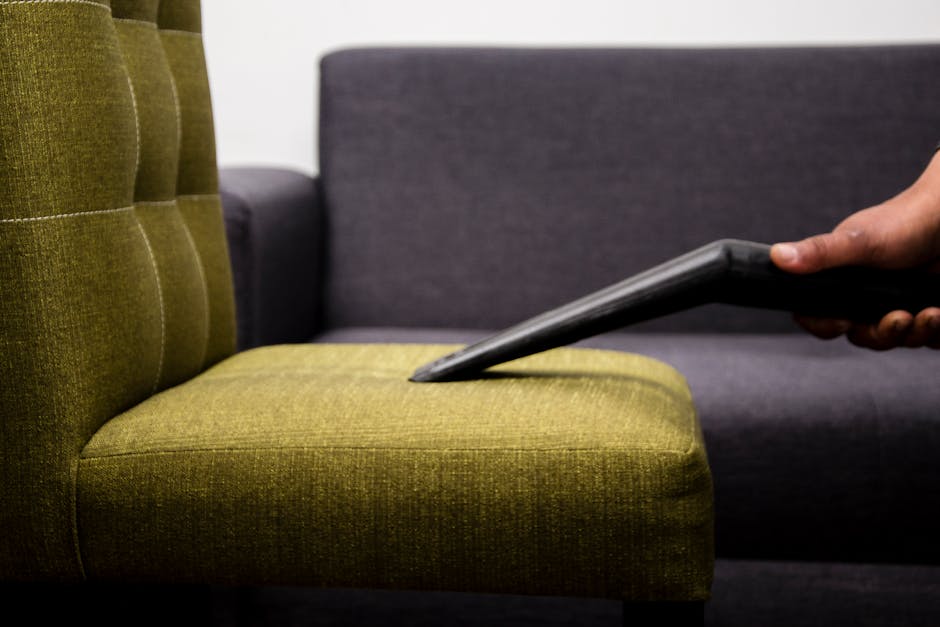
Although carpets are the main focus here, many customers also want related soft furnishing care when a room is being refreshed. Upholstery can hold dust, body oils and everyday marks in much the same way as carpet fibres do, so it can make sense to approach the space as a connected whole. A sofa with visible wear beside a newly cleaned carpet can undermine the overall finish, while a coordinated clean feels more balanced.
If you are deciding what to include, think about which surfaces are most visible and which are most heavily used. Sofas, armchairs and footstools may benefit from separate attention, especially where spills or pet contact have affected the fabric. A specialist approach is often appropriate because upholstery fabrics can react differently from carpet pile. Upholstery cleaning and sofa cleaning are useful related options when the room needs more than floor treatment alone.
It is also sensible to decide whether the job is purely cosmetic or part of a more practical clean-up after long use. That distinction affects the scale of the work and the order in which rooms should be treated. When the furniture and carpet are both in view, the space can feel cleaner overall, not simply lighter in one isolated area.
Booking the work and preparing a clear quotation

Two or three pieces of information usually make a quotation much more useful: the rooms involved, the type of carpet and any obvious problem areas. If there are stairs, rugs or especially delicate items, mention those too. You do not need to over-explain the job, but a few practical facts allow the work to be priced and planned with less guesswork. That is especially helpful if you want several items handled in one visit.
Photographs can help when a carpet has deep staining, unusual wear or a difficult layout, yet they are only one part of the picture. A short description of access, parking constraints where relevant and whether furniture must be moved can be just as useful. Keep the request focused on the flooring that needs attention and the result you want from the clean. If you prefer to discuss the job directly, contact us to request a quotation.
For customers who want a simple next step, the best approach is to summarise the main rooms, note anything that worries you and ask for a clear price based on that scope. It keeps the process straightforward and helps ensure the service matches the condition of the carpet. If you are ready, send the details and request a quotation today.